When embarking on a journey, the first step is often the most crucial: planning your itinerary. This process involves more than merely selecting destinations; it requires a thoughtful consideration of your interests, the time you have available, and the experiences you wish to gain. Begin by identifying the key attractions and activities that resonate with you.
For instance, if you are an art enthusiast, you might prioritise visits to renowned galleries and museums, while history buffs may lean towards ancient ruins and historical sites. Creating a list of must-see locations can serve as a foundation for your itinerary, allowing you to structure your days effectively. Once you have a list of priorities, consider the logistics of your travel.
This includes the geographical layout of your chosen destination and the time it takes to travel between sites. For example, if you are visiting a sprawling city like London, it may be wise to group attractions by neighbourhood to minimise travel time. Additionally, factor in the opening hours of each site and any seasonal events that may influence your visit.
Flexibility is key; while it is beneficial to have a structured plan, allowing for spontaneous exploration can lead to unexpected discoveries that enrich your experience.
Navigating public transportation
Efficient Travel Options
For instance, in cities like Paris, the Métro is not only an efficient way to traverse the city but also an experience in itself, with its unique art and architecture. Purchasing a travel card or pass can often provide unlimited travel for a set period, making it a cost-effective choice for those planning to explore extensively. Moreover, it is advisable to download relevant apps or maps that provide real-time information about public transport schedules and routes.
Planning Your Journey
Many cities have dedicated apps that allow you to plan your journey, check for delays, and even purchase tickets digitally. Understanding the etiquette of public transport is equally important; for example, in many cultures, it is customary to offer your seat to elderly passengers or those with disabilities.
Respecting Local Customs
Being aware of these social norms not only enhances your experience but also fosters respect for the local customs.
Exploring local cuisine and dining options
One of the most delightful aspects of travelling is the opportunity to indulge in local cuisine. Each region boasts its own culinary traditions that reflect its history and culture. To truly appreciate a destination, one must venture beyond tourist traps and seek out authentic dining experiences.
This could mean visiting local markets where fresh produce and regional delicacies are sold or dining at family-run restaurants that have been passed down through generations. For example, in Italy, enjoying a meal at a trattoria where recipes have been lovingly preserved can provide insight into the country’s rich gastronomic heritage. When exploring local cuisine, consider participating in food tours or cooking classes that allow you to engage with the culinary culture on a deeper level.
These experiences often provide not only tastings but also stories behind the dishes and ingredients used. In Thailand, for instance, taking a cooking class can teach you about the balance of flavours that characterises Thai cuisine while allowing you to prepare traditional dishes yourself. Additionally, don’t shy away from street food; it often offers some of the most authentic flavours at an affordable price.
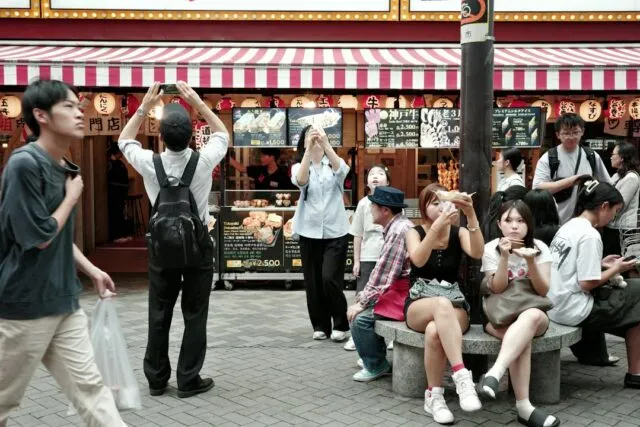
Sampling local snacks from street vendors can be an adventure in itself, revealing the vibrant food culture of your destination.
Visiting iconic landmarks and attractions
No travel itinerary would be complete without a visit to iconic landmarks and attractions that define a city or region. These sites often serve as symbols of cultural identity and historical significance. For instance, standing before the majestic Eiffel Tower in Paris or gazing at the intricate architecture of the Taj Mahal in India can evoke a sense of wonder and connection to the past.
However, it is essential to approach these landmarks with an understanding of their context; reading up on their history can enhance your appreciation and provide a richer experience. While visiting these attractions, consider timing your visits strategically to avoid crowds. Early mornings or late afternoons are often less busy, allowing for a more intimate experience.
Additionally, many landmarks offer guided tours that delve into their history and significance, providing insights that might be missed when exploring independently. For example, guided tours of the Colosseum in Rome often include access to areas not open to the general public, offering a unique perspective on this ancient marvel. Engaging with knowledgeable guides can transform your visit from a mere photo opportunity into an enlightening journey through time.
Immersing yourself in the local culture
To truly experience a destination, immersing yourself in its local culture is paramount. This involves engaging with the community and participating in traditions that define daily life in that area. Attending local festivals or events can provide a window into cultural practices that may not be evident through sightseeing alone.
For instance, experiencing Diwali in India or La Tomatina in Spain allows travellers to witness vibrant celebrations filled with music, dance, and culinary delights. Additionally, consider seeking out opportunities for cultural exchange through workshops or classes that teach traditional crafts or skills. In Japan, for example, participating in a tea ceremony can offer insights into the country’s values of harmony and respect while allowing you to engage with locals who are passionate about their heritage.
Visiting local markets or artisan shops can also provide a glimpse into everyday life and support small businesses within the community. By actively engaging with local culture, you not only enrich your travel experience but also foster connections that transcend geographical boundaries.
Engaging in local activities and events
Immersing in Local Culture
Many cities host regular events such as farmers’ markets, art fairs, or music festivals that showcase local talent and culture. These gatherings often reflect the community’s spirit and offer visitors a chance to mingle with locals while enjoying regional products and performances.
Seasonal Delights
For example, attending a traditional music festival in Scotland can immerse you in the rich heritage of Celtic music while allowing you to connect with fellow attendees who share similar interests. In addition to festivals and markets, consider engaging in seasonal activities that highlight the unique aspects of your destination. In winter months, many cities offer ice skating rinks or Christmas markets that create a festive atmosphere perfect for exploration.
Creating Lasting Memories
Conversely, summer may bring outdoor concerts or cultural exhibitions that celebrate local artists and traditions. Participating in these activities not only enriches your understanding of the local culture but also creates lasting memories through shared experiences with others.
Seeking out off-the-beaten-path experiences
While iconic landmarks are undoubtedly worth visiting, some of the most memorable travel experiences often lie off the beaten path. Exploring lesser-known sites can lead to unique encounters that reveal hidden gems within a destination. Researching local recommendations or seeking advice from residents can uncover fascinating places that are not typically highlighted in guidebooks.
For instance, instead of visiting crowded tourist spots in Barcelona, consider exploring neighbourhoods like Gràcia or Poble Sec where you can find charming plazas filled with local cafes and shops. Additionally, engaging in outdoor adventures such as hiking trails or visiting natural parks can provide an alternative perspective on a region’s beauty. In New Zealand, for example, venturing beyond popular tourist destinations like Queenstown to explore lesser-known trails can lead to breathtaking landscapes without the crowds.
These off-the-beaten-path experiences often foster deeper connections with nature and culture while allowing for personal reflection away from the hustle and bustle of tourist hotspots.
Staying safe and aware of your surroundings
As exhilarating as travel can be, it is essential to prioritise safety and remain aware of your surroundings at all times. Familiarising yourself with local customs and laws can help prevent misunderstandings or unintentional offences during your travels. For instance, understanding dress codes when visiting religious sites or being aware of local tipping practices can enhance your interactions with residents.
Moreover, staying vigilant about personal safety is crucial in unfamiliar environments. This includes being mindful of your belongings in crowded areas and avoiding displaying valuables openly. It is also wise to research areas known for higher crime rates and plan your routes accordingly.
Engaging with locals can provide valuable insights into safe neighbourhoods and areas best avoided after dark. By remaining aware of your surroundings and taking proactive measures to ensure your safety, you can fully immerse yourself in your travel experience without unnecessary worry or concern.
If you want to maximise your tourist experience in big cities, one important aspect to consider is accommodation. A helpful article on this topic is this guide for staying in caravans or mobile homes. It provides valuable tips and information on how to make the most of your stay while travelling. Additionally, understanding the true essence of tourism can greatly enhance your experience. For more insights, you can read this article by Adrian Stanciulescu, President of the National Association of Travel Agencies. Exploring the historical charm of Greece, including Athens and the Greek islands, can also add a unique dimension to your travels. Learn more about this fascinating destination in this article.