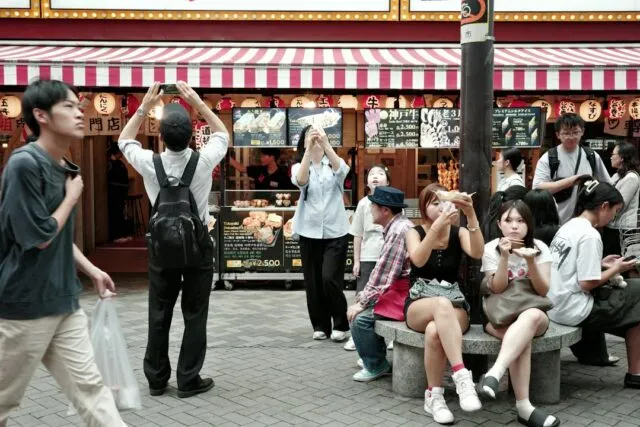
Selecting the right destination is a pivotal first step in the travel planning process. The choice of location can significantly influence the overall experience, shaping everything from the activities available to the cultural immersion one can expect. Factors such as climate, local customs, and accessibility should be carefully considered.
For instance, a traveller seeking a sun-soaked beach holiday might gravitate towards destinations like the Maldives or the Caribbean, while those interested in cultural exploration may prefer cities rich in history, such as Rome or Kyoto. The decision should also reflect personal interests and preferences, ensuring that the destination aligns with what one hopes to gain from the trip. Moreover, it is essential to consider the time of year when planning a trip.
Certain destinations may be more appealing during specific seasons; for example, visiting Japan during cherry blossom season offers a breathtaking spectacle that draws tourists from around the globe. Conversely, some locations may be best avoided during peak tourist seasons due to overcrowding and inflated prices. Researching local events or festivals can also enhance the travel experience, providing unique opportunities to engage with local culture.
Ultimately, the destination should resonate with the traveller’s aspirations, whether that be relaxation, adventure, or cultural enrichment.
Researching activities and attractions
Once a destination has been chosen, delving into the myriad of activities and attractions available is crucial for crafting an enriching itinerary. This phase involves exploring both well-known landmarks and hidden gems that may not be immediately apparent in standard travel guides. For instance, while visiting Paris, one might naturally gravitate towards iconic sites like the Eiffel Tower or the Louvre Museum.
However, taking the time to discover lesser-known spots, such as the charming streets of Montmartre or the tranquil gardens of Parc des Buttes-Chaumont, can provide a more authentic experience of the city. In addition to physical attractions, it is beneficial to research local experiences that offer insight into the culture and lifestyle of the area. Participating in cooking classes, guided tours led by locals, or attending traditional performances can enrich one’s understanding of the destination.
Online platforms and travel forums can be invaluable resources for discovering unique activities that cater to specific interests, whether they be culinary delights, outdoor adventures, or artistic pursuits. Engaging with local communities through social media or travel blogs can also yield recommendations that are off the beaten path, ensuring a well-rounded exploration of the chosen destination.
Creating a budget
Establishing a budget is a fundamental aspect of travel planning that requires careful consideration of various factors. A well-structured budget not only helps in managing expenses but also allows for a more enjoyable experience without the stress of financial constraints. The first step in this process is to determine how much one is willing to spend overall, taking into account transportation costs, accommodation, meals, activities, and souvenirs.
It is advisable to allocate funds for each category while leaving room for unexpected expenses that may arise during the trip. When creating a budget, it is also important to research the cost of living in the chosen destination. For example, a trip to Scandinavia may require a significantly higher budget compared to travelling in Southeast Asia due to differences in accommodation and dining costs.
Additionally, travellers should consider potential savings through early bookings or package deals that can provide discounts on flights and hotels. By being mindful of spending habits and prioritising experiences that truly matter, one can create a budget that allows for both enjoyment and financial peace of mind throughout the journey.
Booking accommodation
The choice of accommodation can greatly influence the quality of a travel experience. When booking a place to stay, it is essential to consider factors such as location, amenities, and budget. For instance, staying in a centrally located hotel or Airbnb can save time and transportation costs by providing easy access to major attractions and local eateries.
Conversely, opting for accommodation further from tourist hotspots may offer a more authentic experience but could require additional planning for daily commutes. In recent years, alternative lodging options have gained popularity, with platforms like Airbnb and Booking.com offering diverse choices ranging from private apartments to unique stays like treehouses or houseboats. Each option comes with its own set of advantages; for example, renting an apartment can provide a home-like atmosphere and kitchen facilities for self-catering, which can be particularly beneficial for families or long-term travellers.
It is also wise to read reviews from previous guests to gauge the quality and reliability of accommodations before making a final decision. Ultimately, selecting the right place to stay can enhance comfort and convenience during one’s travels.
Planning transportation
Transportation logistics are another critical component of travel planning that can significantly impact the overall experience. Depending on the destination and itinerary, travellers must consider how they will navigate from one location to another. For international trips, booking flights well in advance can often yield better prices and more options.
Once at the destination, various modes of transport may be available, including public transit systems like buses and trains, taxis, or rental cars. For instance, in cities with robust public transport networks such as London or Tokyo, utilising trains and buses can be both economical and efficient. On the other hand, renting a car may be more suitable for exploring rural areas or regions with limited public transport options.
It is also essential to familiarise oneself with local traffic laws and driving customs if opting for self-drive options. Additionally, considering factors such as travel time between attractions and potential traffic congestion can help in creating a seamless travel experience.
Packing essentials
Packing efficiently is an art that can greatly enhance one’s travel experience by ensuring that all necessary items are readily available without overburdening oneself with excess luggage. The first step in this process is to create a comprehensive packing list tailored to the destination’s climate and planned activities. For example, if travelling to a tropical location, lightweight clothing and swimwear will be essential; conversely, colder destinations will require warmer layers and waterproof gear.
In addition to clothing, it is vital to consider other essentials such as toiletries, medications, and electronic devices. Packing cubes can be an effective way to organise items within luggage while maximising space. Furthermore, it is advisable to carry important documents like passports and travel insurance information in an easily accessible yet secure location.
By packing thoughtfully and strategically, travellers can ensure they are well-prepared for their adventures without being weighed down by unnecessary items.
Creating a flexible schedule
While having a structured itinerary can provide direction during travels, incorporating flexibility into one’s schedule is equally important for maximising enjoyment and spontaneity. A rigid plan may lead to stress if unexpected opportunities arise or if certain activities take longer than anticipated. Instead of scheduling every minute of each day, it is beneficial to outline key attractions or experiences while leaving gaps for exploration or relaxation.
For instance, if visiting Barcelona, one might plan to visit La Sagrada Familia on a specific day but leave afternoons open for wandering through neighbourhoods like Gràcia or El Born. This approach allows for serendipitous discoveries—perhaps stumbling upon a local market or an impromptu street performance—that can enrich the travel experience beyond what was initially planned. Additionally, having some flexibility enables travellers to adapt their plans based on weather conditions or personal energy levels on any given day.
Making the most of your time
To truly maximise one’s travel experience, it is essential to adopt strategies that enhance engagement with the destination while ensuring that time is spent wisely. One effective approach is prioritising experiences that align with personal interests and passions; this could mean dedicating more time to art galleries if one is an art enthusiast or seeking out culinary experiences if food is a primary focus of the trip. Moreover, engaging with locals can provide invaluable insights into hidden gems and authentic experiences that may not be found in guidebooks.
Whether through casual conversations at cafés or participating in community events, these interactions often lead to memorable moments that enrich one’s understanding of the culture. Additionally, utilising technology—such as travel apps for navigation or language translation—can streamline experiences and reduce potential frustrations during travels. Ultimately, making the most of one’s time while travelling involves balancing planned activities with opportunities for spontaneity and connection with local culture.
By approaching each day with an open mind and a willingness to embrace new experiences, travellers can create lasting memories that extend far beyond their initial expectations.
If you are looking to plan the perfect weekend itinerary, you may also be interested in an article on how many days of holiday you are entitled to per year. This article can help you make the most of your time off and ensure you are taking full advantage of your annual leave. Planning a weekend getaway with a spectacular view? Check out tips for choosing accommodation with a stunning view to make your trip even more memorable. And if you are feeling adventurous, take a look at the top 10 exotic destinations for daring adventurers and travellers for some inspiration on your next travel adventure.