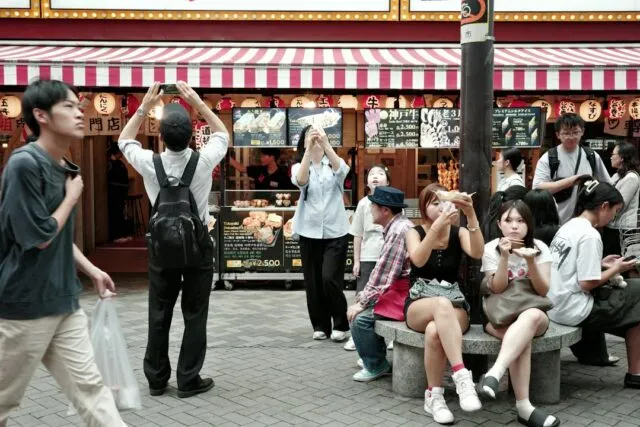
To truly appreciate a destination, one must delve into its local culture, which encompasses the traditions, values, and social norms that shape the lives of its inhabitants. Each culture is a tapestry woven from historical events, geographical influences, and the collective experiences of its people. For instance, in Japan, the concept of ‘wa’ or harmony is paramount, influencing everything from interpersonal relationships to business practices.
Understanding such cultural nuances can significantly enhance one’s travel experience, allowing for deeper connections with the environment and its people. Moreover, immersing oneself in local culture often involves learning about its history and art forms. In cities like Florence, Italy, the Renaissance period is not merely a chapter in a textbook; it is alive in the architecture, museums, and even the daily conversations of its residents.
Engaging with local art, whether through visiting galleries or attending performances, provides insight into the community’s values and aspirations. This cultural engagement fosters a sense of respect and appreciation for the local way of life, transforming a mere visit into a meaningful journey.
Exploring Off-the-Beaten-Path Locations
While popular tourist destinations often boast iconic landmarks and attractions, venturing off the beaten path can reveal hidden gems that offer a more authentic glimpse into a region’s character. For example, instead of flocking to the bustling streets of Paris, one might explore the quaint village of Giverny, where Claude Monet’s gardens bloom in vibrant colours. Such locations often provide a quieter atmosphere, allowing for reflection and a more personal connection to the surroundings.
Additionally, exploring lesser-known sites can lead to unexpected discoveries that enrich one’s travel narrative. In the Scottish Highlands, for instance, the remote village of Plockton offers stunning coastal views and a chance to experience traditional Scottish life away from the tourist crowds. Here, one can engage with local artisans and perhaps even learn about the craft of weaving or pottery.
These experiences not only contribute to a richer understanding of the locale but also support sustainable tourism by encouraging visitors to appreciate and invest in less commercialised areas.
Trying Local Cuisine and Traditions
Food is an integral part of any culture, serving as both sustenance and a means of social connection. Sampling local cuisine allows travellers to engage with a region’s history and traditions in a tangible way. In Thailand, for instance, street food is not just a quick meal; it is an experience steeped in cultural significance.
Dishes like Pad Thai or Som Tum (green papaya salad) are often prepared using recipes passed down through generations, reflecting the country’s agricultural practices and regional flavours. Moreover, culinary traditions often extend beyond mere consumption; they can involve rituals and communal activities that foster connections among people. In Italy, for example, family gatherings often centre around preparing meals together, with each member contributing to the process.
Participating in such culinary traditions can provide insight into familial bonds and social structures within a community. Cooking classes or food tours can offer visitors an opportunity to learn these traditions firsthand while forging connections with local chefs and families.
Interacting with Locals
Engaging with locals is perhaps one of the most rewarding aspects of travel. Conversations with residents can provide invaluable insights into their daily lives, beliefs, and perspectives that are often absent from guidebooks. In countries like Morocco, for instance, striking up a conversation with a shopkeeper in the souk can lead to stories about the history of the market or recommendations for hidden spots that tourists might overlook.
Such interactions not only enrich one’s understanding of the culture but also foster a sense of community and connection. Furthermore, locals often possess a wealth of knowledge about their environment that can enhance one’s travel experience. In New Zealand, for example, Māori guides offer unique perspectives on the land’s natural beauty and spiritual significance.
By participating in guided tours led by locals, travellers can gain a deeper appreciation for the cultural heritage intertwined with the landscape. These interactions create lasting memories and often lead to friendships that transcend geographical boundaries.
Participating in Local Festivals and Events
Local festivals and events serve as vibrant expressions of culture and community spirit. They provide an opportunity for visitors to witness traditional practices and celebrations that may not be evident during everyday life. For instance, attending the Diwali festival in India allows one to experience the joy and vibrancy of this festival of lights firsthand.
The streets come alive with colourful decorations, music, and dance, offering an immersive experience that showcases the rich tapestry of Indian culture. Moreover, participating in such events can foster a sense of belonging among travellers. In Spain, for example, the La Tomatina festival invites both locals and visitors to engage in a playful tomato fight that transcends language barriers and cultural differences.
This shared experience creates bonds among participants and fosters an appreciation for local customs. Festivals often highlight regional foods, crafts, and performances, providing an enriching context for understanding the community’s identity.
Using Local Transportation
Navigating a new destination using local transportation can significantly enhance one’s travel experience while providing insights into daily life in that area. Public transport systems often reflect the rhythm of local life; for example, riding the metro in Tokyo offers glimpses into the punctuality and efficiency that characterise Japanese society. Observing how locals interact with their environment while commuting can provide valuable lessons about cultural norms and practices.
In addition to public transport, alternative modes such as cycling or walking can offer unique perspectives on a destination. In Amsterdam, for instance, cycling is not just a means of transport; it is an integral part of the city’s identity. Exploring the city on two wheels allows visitors to navigate its picturesque canals and historic architecture at a leisurely pace while experiencing the local lifestyle up close.
Such modes of transport encourage exploration beyond typical tourist routes and foster a deeper connection with the surroundings.
Supporting Local Businesses
Supporting local businesses is crucial for fostering sustainable tourism and ensuring that economic benefits reach the community rather than large corporations. When travellers choose to shop at local markets or dine at family-owned restaurants, they contribute directly to the livelihoods of residents. For example, in Bali, visiting artisan markets allows tourists to purchase handmade crafts while supporting local artisans who rely on their craft for income.
Moreover, engaging with local businesses often leads to more authentic experiences. A meal at a small eatery run by a local family can provide not only delicious food but also stories about traditional recipes and cooking methods passed down through generations. This direct interaction fosters relationships between visitors and residents while promoting cultural exchange.
By prioritising local businesses over international chains, travellers can play an active role in preserving cultural heritage and supporting community development.
Respecting Local Customs and Etiquette
Understanding and respecting local customs and etiquette is essential for fostering positive interactions during travel. Each culture has its own set of social norms that dictate behaviour in various contexts; being aware of these can prevent misunderstandings and demonstrate respect for local traditions. For instance, in many Asian cultures, removing shoes before entering someone’s home is customary; failing to do so may be seen as disrespectful.
Additionally, gestures that are innocuous in one culture may carry different meanings elsewhere. In Greece, for example, making an ‘OK’ sign with one’s hand can be considered offensive. Being mindful of such nuances not only enhances personal interactions but also reflects an appreciation for cultural diversity.
Engaging with locals in ways that honour their customs fosters goodwill and enriches one’s travel experience by creating an atmosphere of mutual respect and understanding. In conclusion, embracing these aspects of travel—understanding local culture, exploring hidden locations, trying traditional cuisine, interacting with residents, participating in festivals, using local transportation, supporting businesses, and respecting customs—can transform a simple trip into an enriching journey filled with meaningful connections and experiences that resonate long after returning home.
If you are looking to immerse yourself in the local culture while travelling, you may find the article Stunning Landscapes in Switzerland: Mountain Tourism in the Swiss Alps interesting. This article explores the breathtaking natural beauty of the Swiss Alps and how to experience them like a local. It provides tips on how to truly appreciate the stunning landscapes and make the most of your mountain tourism experience in Switzerland. Embracing the local way of life and exploring the hidden gems of a destination can truly enhance your travel experience.