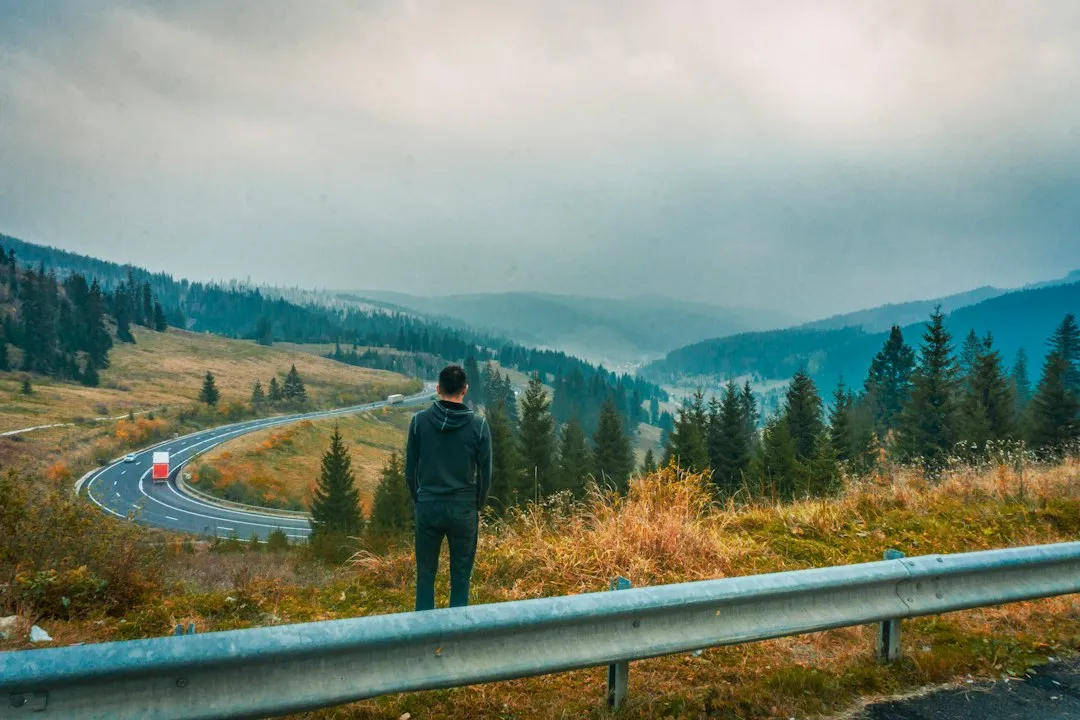
The crisp, invigorating air found in mountainous regions is often cited as one of the most compelling reasons to venture into these elevated terrains. Unlike the often polluted air of urban environments, mountain air is typically cleaner and fresher, enriched by the surrounding flora and the absence of industrial activity. This purity can have a profound effect on one’s physical and mental well-being.
Breathing in this untainted air can enhance lung function, increase oxygen intake, and promote a sense of vitality that is hard to replicate elsewhere. The high altitudes also mean that the air is less dense, which can lead to a refreshing feeling of lightness and clarity. Moreover, the unique atmospheric conditions in mountainous areas can stimulate the senses in ways that are both invigorating and calming.
The combination of lower temperatures and higher altitudes can lead to a heightened awareness of one’s surroundings, making every breath feel like a rejuvenating experience. This is particularly beneficial for those who spend most of their time in bustling cities, where the air is often thick with pollutants and noise. The tranquillity of mountain air not only aids in relaxation but also encourages mindfulness, allowing individuals to connect more deeply with nature and themselves.
Unforgettable Scenery: The Beauty of Mountain Destinations
Mountain destinations are renowned for their breathtaking vistas that captivate the imagination and inspire awe. The dramatic landscapes, characterised by towering peaks, lush valleys, and shimmering lakes, create a visual feast that is unparalleled. Each season brings its own unique charm; in spring, wildflowers blanket the meadows, while summer offers vibrant greenery and clear blue skies.
Autumn transforms the mountains into a canvas of fiery reds and oranges, and winter cloaks them in a serene layer of snow, creating a magical wonderland. The interplay of light and shadow across rugged terrains adds to the allure of mountain scenery. Sunrise and sunset in these regions can be particularly spectacular, as the sun casts golden hues over the landscape, illuminating the contours of the mountains and creating a sense of peace and wonder.
Iconic locations such as the Swiss Alps or the Rocky Mountains offer not just beauty but also a sense of scale that can be humbling. Standing before such grandeur often evokes feelings of insignificance in the face of nature’s power, yet it also instils a profound appreciation for the world we inhabit.
Adventure Awaits: The Excitement of Mountain Exploration
For those with a thirst for adventure, mountains present an endless array of opportunities for exploration and excitement. From hiking and climbing to skiing and mountain biking, these terrains cater to a wide range of outdoor activities that challenge both body and mind. The thrill of scaling a steep cliff or navigating a winding trail can be exhilarating, providing an adrenaline rush that few other activities can match.
Each ascent or descent offers not only physical challenges but also moments of triumph that foster personal growth and resilience. Moreover, mountain exploration often leads to unexpected discoveries. Hidden waterfalls, secluded valleys, and panoramic viewpoints await those willing to venture off the beaten path.
The sense of adventure is amplified by the unpredictability of nature; weather conditions can change rapidly, adding an element of surprise to any expedition. This unpredictability encourages adventurers to be adaptable and resourceful, skills that are invaluable both on the mountain and in everyday life. Engaging with nature in such an active way fosters a deeper connection to the environment and cultivates a sense of stewardship for these precious landscapes.
The Health Benefits of Mountain Hiking and Trekking
Engaging in mountain hiking and trekking offers numerous health benefits that extend beyond mere physical fitness. The act of walking in nature has been shown to reduce stress levels significantly, promoting mental clarity and emotional well-being. Studies indicate that spending time in natural settings can lower cortisol levels, which are often elevated due to urban stressors.
The rhythmic motion of hiking combined with the serene surroundings creates a meditative experience that can enhance mood and alleviate symptoms of anxiety and depression. Physically, hiking in mountainous terrain provides an excellent cardiovascular workout. The varied elevation challenges different muscle groups, improving strength and endurance while also promoting weight loss.
The fresh mountain air contributes to better lung function, while exposure to sunlight aids in vitamin D production, essential for bone health and immune function. Furthermore, hiking often involves navigating uneven surfaces, which enhances balance and coordination. This multifaceted approach to fitness not only improves physical health but also fosters a sense of accomplishment and boosts self-esteem.
The Cultural Richness of Mountain Communities
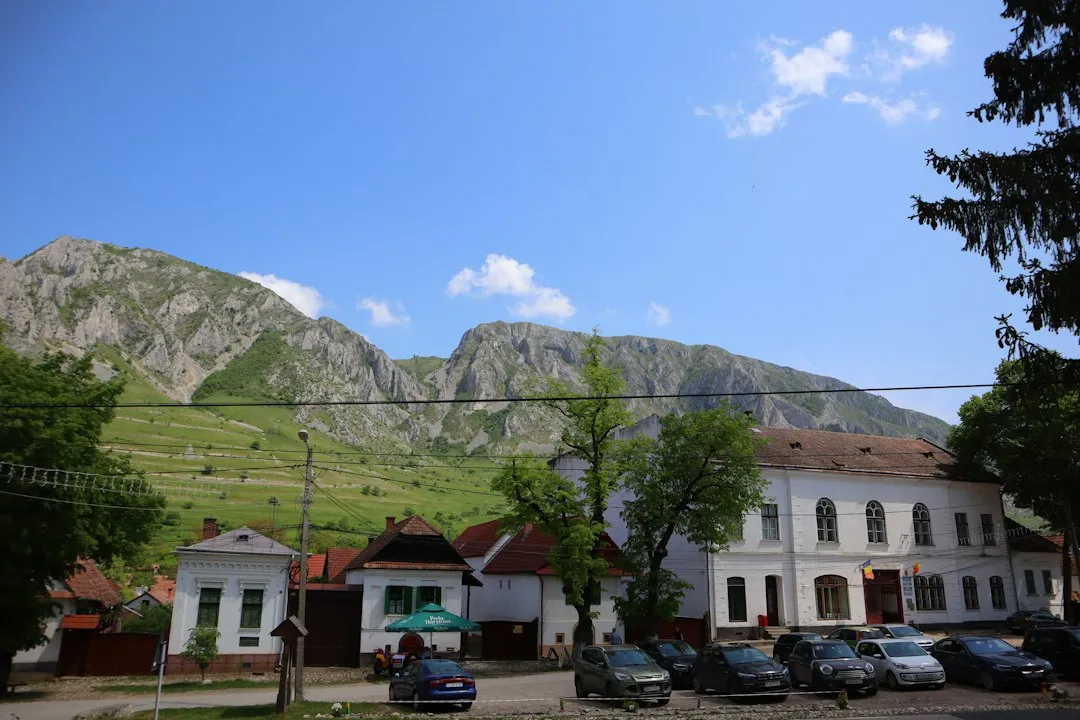
Mountain communities are often steeped in rich cultural traditions that reflect their unique environments and histories. These communities have developed distinct ways of life that are closely tied to their natural surroundings, often relying on agriculture, forestry, or tourism for their livelihoods. The traditions passed down through generations—be it through music, dance, or culinary practices—offer visitors a glimpse into the lives of those who call these rugged landscapes home.
Local festivals often celebrate seasonal changes or agricultural milestones, providing an opportunity for visitors to engage with residents and experience authentic cultural expressions. For instance, the annual harvest festivals in the Dolomites showcase traditional music, dance, and local cuisine, allowing tourists to immerse themselves in the vibrant culture while supporting local economies. Additionally, many mountain communities are increasingly embracing eco-tourism initiatives that promote sustainable practices while preserving their cultural heritage.
This blend of tradition and modernity creates a dynamic cultural landscape that enriches both residents and visitors alike.
Wildlife and Nature: The Unique Flora and Fauna of Mountain Regions
Mountain regions are home to an astonishing diversity of flora and fauna that have adapted to their unique environments. The varying altitudes create distinct ecological zones, each supporting different species that thrive under specific conditions. From alpine meadows bursting with wildflowers to dense forests teeming with wildlife, these ecosystems are vital for biodiversity conservation.
Iconic species such as mountain goats, marmots, and various birds of prey are often spotted by those exploring these areas. The preservation of these habitats is crucial not only for wildlife but also for maintaining ecological balance. Many mountain regions serve as critical watersheds that provide fresh water to surrounding communities.
Conservation efforts aimed at protecting these ecosystems are essential for sustaining both wildlife populations and human livelihoods. Engaging with nature through responsible tourism practices allows visitors to appreciate this biodiversity while contributing to its preservation. Guided wildlife tours or educational hikes led by local experts can enhance understanding and appreciation for the intricate relationships within these ecosystems.
The Relaxing and Rejuvenating Effects of Mountain Retreats
Mountain retreats offer an ideal escape from the hustle and bustle of everyday life, providing a sanctuary for relaxation and rejuvenation. The serene environment encourages individuals to disconnect from technology and reconnect with themselves and nature. Many retreats incorporate wellness programmes that include yoga sessions, meditation workshops, or spa treatments designed to promote holistic well-being.
The tranquil sounds of rustling leaves or flowing streams create a soothing backdrop that enhances relaxation. Additionally, spending time in mountain retreats can foster creativity and inspiration. The peaceful surroundings allow for introspection and contemplation, making it an ideal setting for writers, artists, or anyone seeking clarity in their thoughts.
Many individuals find that their best ideas emerge during quiet moments spent in nature, free from distractions. This rejuvenating effect extends beyond the physical; it nurtures emotional health by providing space for reflection and personal growth.
Sustainable Tourism: Supporting Mountain Communities and Conservation
As interest in mountain tourism continues to grow, it is imperative that visitors engage in sustainable practices that support local communities and conservation efforts. Sustainable tourism focuses on minimising environmental impact while maximising benefits for local economies. This approach encourages travellers to choose eco-friendly accommodations, support local artisans, and participate in community-led initiatives that promote cultural heritage.
By prioritising sustainability, tourists can help preserve the natural beauty that draws them to these regions in the first place. Responsible hiking practices—such as staying on marked trails, respecting wildlife habitats, and minimising waste—are essential for protecting fragile ecosystems from overexploitation. Additionally, many mountain communities are developing initiatives aimed at educating visitors about conservation efforts while providing opportunities for them to contribute directly through volunteer programmes or conservation projects.
In conclusion, exploring mountain regions offers a wealth of benefits ranging from physical health improvements to cultural enrichment. By embracing sustainable tourism practices, visitors can ensure that these breathtaking landscapes remain preserved for future generations while supporting the communities that inhabit them.
If you are interested in exploring mountain destinations for their clean air and stunning landscapes, you may also enjoy reading this article about the challenges faced by Horia Constantinescu in promoting tourism in Romania. It highlights the importance of local government support in developing tourist attractions.