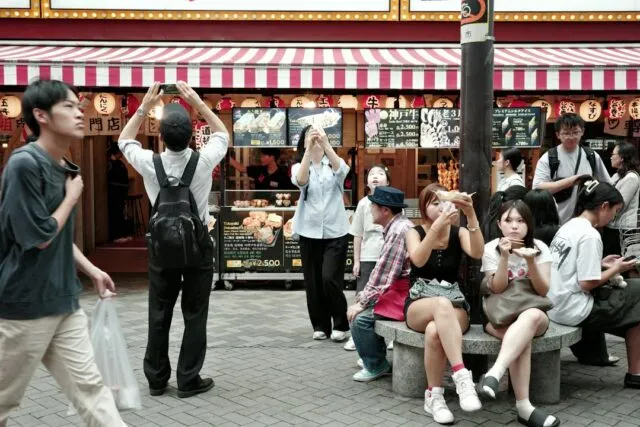
Embarking on a vacation without conducting thorough research can lead to a myriad of unforeseen complications. Many travellers fall into the trap of assuming that their destination will be as idyllic as portrayed in glossy brochures or social media posts. However, the reality often diverges significantly from expectations.
For instance, a traveller might envision a serene beach getaway, only to discover that the area is plagued by overcrowding, noise pollution, or even construction work. Such surprises can dampen the spirit of adventure and lead to frustration, particularly if one has invested considerable time and money into the trip. Moreover, neglecting to research local customs, attractions, and potential safety concerns can result in missed opportunities and uncomfortable situations.
For example, a tourist might arrive in a culturally rich city like Kyoto, Japan, without understanding the significance of traditional practices such as bowing or the importance of removing shoes before entering homes and certain establishments. This lack of awareness can not only lead to embarrassment but also hinder meaningful interactions with locals. Additionally, failing to investigate the best times to visit specific attractions can result in long queues and wasted time, detracting from the overall experience.
Thus, taking the time to research a destination can significantly enhance the quality of a vacation.
Overpacking and Carrying Unnecessary Items
The Burden of Excess Baggage
The burden of excess baggage not only complicates travel logistics but can also incur additional fees with airlines that impose strict weight limits. Furthermore, overpacking can detract from the enjoyment of a holiday by creating unnecessary stress. The act of lugging around heavy bags can be physically exhausting and may limit one’s ability to explore freely.
A Classic Example of Overpacking
A classic example is the traveller who arrives at a picturesque European city only to spend precious time searching for a place to store their oversized suitcase rather than immersing themselves in the local culture.
Embracing a Minimalist Approach
By adopting a minimalist approach and carefully curating a packing list based on the destination’s climate and planned activities, travellers can enhance their mobility and overall experience.
Ignoring Local Customs and Etiquette
Understanding and respecting local customs and etiquette is crucial for fostering positive interactions during travel. Ignoring these cultural nuances can lead to misunderstandings or even offend locals. For instance, in many Asian countries, it is customary to greet others with a bow rather than a handshake.
A tourist who approaches with an outstretched hand may inadvertently come across as disrespectful or ignorant of local traditions. Similarly, in some Middle Eastern cultures, it is considered impolite to show the soles of one’s feet or to engage in public displays of affection. Being aware of such customs not only demonstrates respect but also enriches the travel experience by facilitating deeper connections with local communities.
Moreover, failing to adhere to local etiquette can have practical consequences as well. In countries like Italy, for example, dining customs are taken seriously; ordering a cappuccino after 11 am may raise eyebrows among locals who view it as inappropriate. Such faux pas can lead to awkward situations that detract from the enjoyment of meals and social interactions.
By taking the time to learn about local customs before embarking on a journey, travellers can navigate social situations with confidence and grace, ultimately enhancing their overall experience.
Being Reckless with Sun Exposure
The allure of sun-soaked beaches and outdoor adventures often tempts travellers into neglecting sun safety measures. Many individuals underestimate the intensity of UV rays, particularly in tropical or high-altitude destinations where the sun’s rays are more potent. A common scenario involves tourists spending hours lounging on the beach without adequate sun protection, leading to painful sunburns that can ruin the remainder of their holiday.
For instance, a traveller who neglects to apply sunscreen may find themselves confined to their hotel room for days while their skin heals, missing out on planned excursions and activities. Additionally, reckless sun exposure can have long-term health implications beyond immediate discomfort. Prolonged exposure to UV radiation increases the risk of skin cancer and premature ageing.
It is essential for travellers to adopt proactive measures such as applying broad-spectrum sunscreen with a high SPF, wearing protective clothing, and seeking shade during peak sun hours. By prioritising sun safety, individuals can enjoy their vacations without compromising their health or well-being.
Not Staying Hydrated and Neglecting Health Precautions
Staying hydrated is often overlooked by travellers who become engrossed in their adventures. In hot climates or during physically demanding activities such as hiking or sightseeing, the body loses fluids rapidly through sweat. Failing to replenish these lost fluids can lead to dehydration, which manifests as fatigue, dizziness, and headaches—symptoms that can quickly derail a holiday.
For example, a hiker exploring the trails of a national park may underestimate the importance of drinking water regularly and find themselves struggling to complete their trek due to exhaustion. In addition to hydration, neglecting basic health precautions can have serious consequences while travelling. Many destinations have specific health risks associated with food and water consumption.
Travellers who disregard food safety guidelines may fall victim to foodborne illnesses that can result in severe gastrointestinal distress. It is advisable for individuals to research local health advisories and take necessary precautions such as drinking bottled water or avoiding street food in areas where hygiene standards are questionable. By prioritising hydration and health precautions, travellers can ensure that they remain energetic and ready to embrace all that their destination has to offer.
Overbooking and Overplanning Activities
Avoiding Frustration and Disappointment
Many travellers fall into the trap of creating an overly ambitious itinerary that leaves little room for spontaneity or relaxation. For instance, attempting to visit multiple attractions in one day without accounting for travel time or potential delays can result in frustration and disappointment when plans inevitably go awry.
The Value of Unstructured Exploration
Moreover, overplanning can stifle the opportunity for authentic experiences that arise from unstructured exploration. A traveller who meticulously schedules every hour may miss out on serendipitous encounters with locals or hidden gems that are not listed in guidebooks. Embracing a more flexible approach allows for moments of discovery that enrich the travel experience.
Striking the Right Balance
By striking a balance between planned activities and free time, individuals can cultivate a more enjoyable and fulfilling holiday.
Disrespecting the Environment and Wildlife
As global awareness of environmental issues grows, it is increasingly important for travellers to consider their impact on natural ecosystems and wildlife during their journeys. Disrespecting the environment can take many forms, from littering in pristine landscapes to disturbing wildlife habitats for the sake of a photograph. For example, tourists who venture off designated paths in national parks may inadvertently damage fragile ecosystems or disrupt animal behaviour by encroaching on their territory.
Additionally, engaging in activities that exploit wildlife—such as riding elephants or visiting attractions that promote animal cruelty—can contribute to broader issues of animal welfare and conservation. Responsible tourism involves making conscious choices that prioritise sustainability and respect for nature. This includes supporting eco-friendly accommodations, participating in conservation efforts, and adhering to guidelines set forth by wildlife organisations.
By being mindful of their actions, travellers can help preserve the beauty of natural environments for future generations while enjoying enriching experiences that foster appreciation for wildlife.
Not Budgeting and Overspending on Unplanned Expenses
Financial mismanagement during travel can lead to stress and anxiety that detracts from the enjoyment of a holiday. Many individuals embark on trips without establishing a clear budget or understanding the costs associated with their destination. This oversight often results in overspending on unplanned expenses such as dining out at expensive restaurants or indulging in impulse purchases at tourist traps.
For instance, a traveller who fails to account for transportation costs may find themselves spending significantly more than anticipated on taxis or rideshares. Moreover, not budgeting effectively can lead to missed opportunities for authentic experiences that are often more affordable than mainstream tourist attractions. By researching local dining options or free activities ahead of time, travellers can make informed decisions that align with their financial goals while still enjoying their trip.
Establishing a budget not only helps manage expenses but also encourages mindful spending that enhances the overall travel experience without financial strain.
If you want to make the most of your summer holidays, it’s important to choose the best hiking routes for your adventures. Check out this article on how to choose the best hiking routes for your holiday for some helpful tips. Additionally, if you’re planning a spontaneous weekend getaway, be sure to read this guide for spontaneous weekend travellers to make the most of your trip. And don’t forget to know your rights as a tourist in case of flight cancellations by reading this article on tourists’ rights in case of flight cancellations. Happy travels!