The United Nations Educational, Scientific and Cultural Organization (UNESCO) has established a prestigious list of World Heritage Sites that are recognised for their outstanding universal value. This initiative, which began in 1972 with the Convention Concerning the Protection of the World Cultural and Natural Heritage, aims to identify, protect, and preserve sites of significant cultural and natural importance across the globe. The designation of a site as a UNESCO World Heritage Site not only highlights its importance but also encourages international cooperation in its conservation.
As of October 2023, there are over 1,100 sites on the list, each representing a unique aspect of human history or natural beauty. The criteria for selection are rigorous, encompassing a wide range of attributes that a site must possess to be considered for inclusion. These criteria include exceptional cultural significance, outstanding natural beauty, and the ability to demonstrate significant stages in human history.
The process of nomination is meticulous, requiring extensive documentation and often years of preparation. Once a site is inscribed on the World Heritage List, it gains global recognition, which can lead to increased tourism and funding for preservation efforts. However, this recognition also brings challenges, such as the need to balance conservation with the pressures of tourism and local development.
The Historical Significance of UNESCO World Heritage Sites
UNESCO World Heritage Sites serve as vital repositories of human history, encapsulating the stories and achievements of past civilisations. Many of these sites are remnants of ancient cultures that have shaped the world we live in today. For instance, the Pyramids of Giza in Egypt not only showcase the architectural prowess of the ancient Egyptians but also provide insights into their religious beliefs and societal structures.
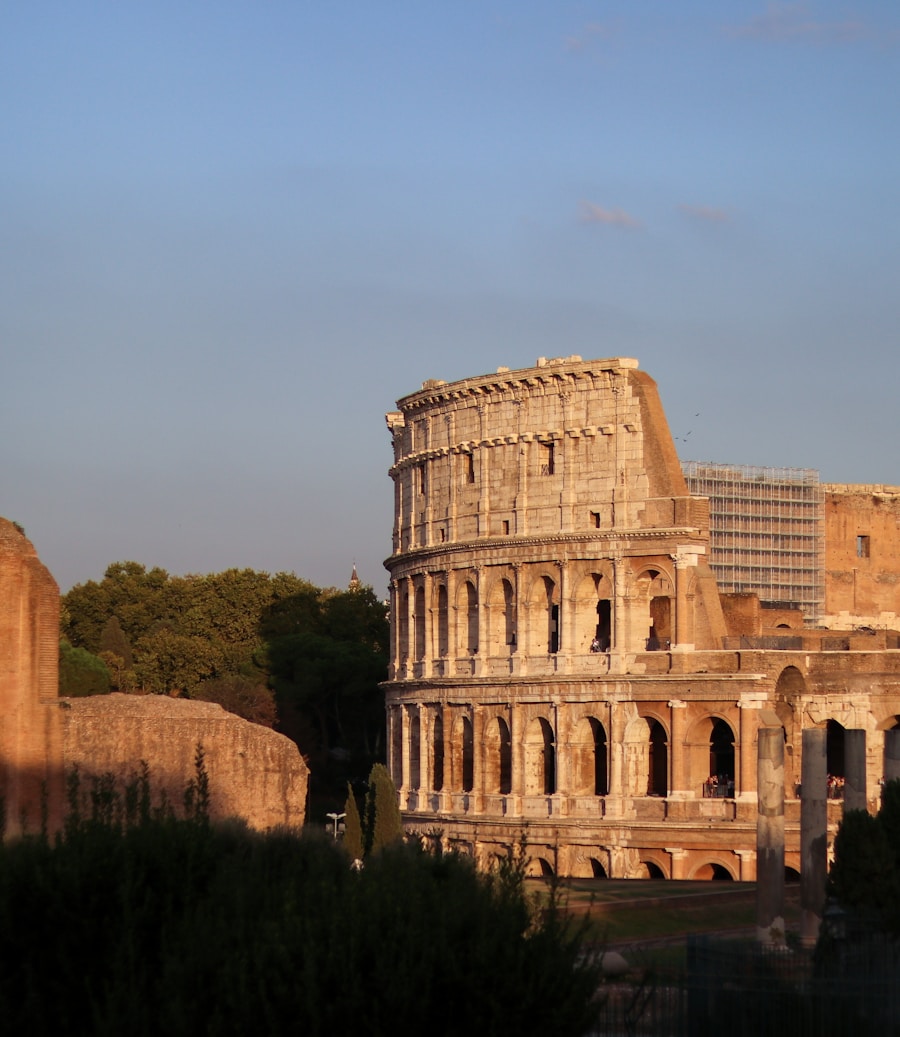
Similarly, the Great Wall of China stands as a testament to the ingenuity and determination of a civilization that sought to protect its territory from invasions. Moreover, these sites often mark significant historical events or periods that have had a profound impact on humanity. The historic centre of Rome, for example, is not merely a collection of ancient ruins; it is a living chronicle of the rise and fall of one of history’s greatest empires.
Each monument within this city tells a story, from the grandeur of the Colosseum to the spiritual significance of St. Peter’s Basilica. By preserving these sites, UNESCO ensures that future generations can learn about and appreciate the complexities of human history.
The Cultural Importance of UNESCO World Heritage Sites
Beyond their historical significance, UNESCO World Heritage Sites are crucial for understanding and appreciating diverse cultures around the world. They embody the artistic expressions, traditions, and values of different societies, serving as tangible links to cultural heritage. For instance, the intricate carvings and architectural styles found in the temples of Angkor Wat in Cambodia reflect the spiritual beliefs and artistic achievements of the Khmer Empire.
These sites not only attract scholars and tourists but also foster a sense of pride among local communities who see their heritage celebrated on an international stage. Cultural heritage is not static; it evolves over time. UNESCO World Heritage Sites often act as living museums where traditions are preserved and passed down through generations.
The annual festivals held at sites like Machu Picchu in Peru or the historic city of Dubrovnik in Croatia showcase local customs and practices that have persisted despite modernisation. By recognising these sites, UNESCO helps to promote cultural diversity and encourages dialogue between different cultures, fostering mutual respect and understanding.
Exploring UNESCO World Heritage Sites Around the World
The diversity of UNESCO World Heritage Sites is staggering, with locations spanning every continent and encompassing a wide array of themes. In Europe, one can find architectural marvels such as the Palace of Versailles in France or the historic town of Bath in England, both exemplifying exquisite craftsmanship and design. In Asia, sites like the Taj Mahal in India stand as symbols of love and artistic brilliance, while Japan’s Historic Monuments of Ancient Kyoto reflect centuries of cultural evolution.
In Africa, natural wonders such as Serengeti National Park in Tanzania highlight the continent’s rich biodiversity and ecosystems. Meanwhile, in North America, sites like Yellowstone National Park showcase stunning landscapes and geothermal features that attract millions of visitors each year. Each site offers a unique experience, inviting exploration and discovery while providing insights into the local culture and environment.
The sheer variety ensures that there is something for everyone, whether one is interested in history, architecture, nature, or cultural practices.
How UNESCO World Heritage Sites Preserve History and Culture
The preservation of UNESCO World Heritage Sites is paramount to maintaining their integrity and significance for future generations. This involves not only physical conservation efforts but also community engagement and education about the importance of these sites. Many countries have established management plans that outline strategies for protecting their heritage while accommodating tourism and development pressures.
For example, in Venice, Italy, authorities have implemented measures to combat rising sea levels and manage tourist footfall to protect its unique architecture and canals. Furthermore, UNESCO provides technical assistance and expertise to help countries develop effective conservation strategies. This support can include training local professionals in restoration techniques or providing funding for specific projects aimed at preserving cultural heritage.
The collaboration between international organisations and local communities is essential for ensuring that preservation efforts are sustainable and culturally sensitive. By involving local stakeholders in decision-making processes, UNESCO fosters a sense of ownership that is crucial for the long-term success of conservation initiatives.
UNESCO World Heritage Sites as Educational and Inspirational Destinations
Visiting UNESCO World Heritage Sites offers an unparalleled opportunity for education and inspiration. These sites serve as open-air classrooms where visitors can learn about history, culture, and environmental stewardship firsthand. Guided tours often provide insights from knowledgeable experts who can share stories that bring the sites to life.
For instance, at the Acropolis in Athens, visitors can gain a deeper understanding of ancient Greek philosophy and democracy through engaging narratives about its historical context. Moreover, these sites inspire creativity and reflection among visitors. Artists, writers, and thinkers have long drawn inspiration from places like Stonehenge in England or the Great Barrier Reef in Australia.
The beauty and significance of these locations often evoke profound emotional responses that can lead to personal growth or artistic expression. Educational programmes designed around these sites encourage critical thinking about global issues such as conservation, cultural identity, and historical legacy.
The Impact of UNESCO World Heritage Sites on Local Communities
The designation of a site as a UNESCO World Heritage Site can have significant socio-economic impacts on local communities. Increased tourism often leads to job creation in sectors such as hospitality, guiding services, and local crafts. For example, the historic city of Cusco in Peru has seen substantial economic benefits from its proximity to Machu Picchu, with many locals finding employment in tourism-related activities.
This influx of visitors can help sustain local economies while also providing funds for community development projects. However, it is essential to balance these economic benefits with potential challenges that arise from increased visitor numbers. Over-tourism can strain local resources and infrastructure, leading to environmental degradation or cultural dilution.
To mitigate these issues, many communities are working with UNESCO to develop sustainable tourism practices that prioritise conservation while still allowing for economic growth. This collaborative approach ensures that local voices are heard in discussions about how best to manage their heritage.
Tips for Visiting UNESCO World Heritage Sites
When planning a visit to a UNESCO World Heritage Site, there are several considerations to enhance your experience while respecting the site’s integrity. First and foremost, research the site beforehand to understand its historical context and significance; this knowledge will enrich your visit immensely. Many sites offer guided tours led by knowledgeable locals who can provide valuable insights that you might not discover on your own.
It is also crucial to be mindful of your impact on these treasured locations. Follow established guidelines regarding photography, litter disposal, and interaction with local communities. Many sites have specific rules designed to protect their integrity; adhering to these not only preserves the site but also shows respect for those who call it home.
Additionally, consider visiting during off-peak seasons to avoid crowds; this not only enhances your experience but also helps reduce pressure on local resources. In conclusion, UNESCO World Heritage Sites represent some of humanity’s most significant achievements in culture and nature. They offer invaluable lessons about our past while inspiring future generations to appreciate and protect our shared heritage.
If you are interested in sustainable tourism practices, you may want to check out the article Implementarea practicilor sustenabile in horeca on turism.info.ro. This article discusses the importance of implementing sustainable practices in the hospitality industry. It provides valuable insights into how businesses can reduce their environmental impact and contribute to a more sustainable future. It is a great read for anyone looking to learn more about responsible tourism.