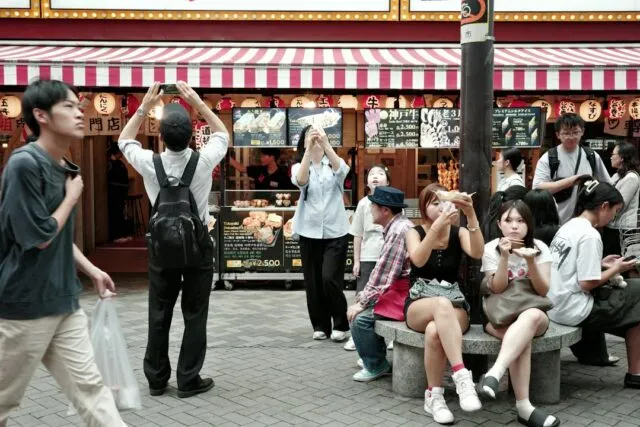
Crafting the ideal travel itinerary is a blend of art and science, requiring a thoughtful approach to ensure that every moment of your journey is maximised. The first step in this process is to define your travel goals. Are you seeking adventure, relaxation, cultural immersion, or perhaps a combination of these?
Once you have a clear vision, you can begin to research destinations that align with your interests. For instance, if you are drawn to history and architecture, cities like Rome or Athens may be on your radar, while nature enthusiasts might find solace in the breathtaking landscapes of New Zealand or the fjords of Norway. After selecting your destination, it is essential to create a balanced itinerary that allows for both exploration and downtime.
A common pitfall for many travellers is over-scheduling, which can lead to exhaustion and diminish the joy of discovery. Instead, consider allocating time for spontaneous adventures or leisurely strolls through local markets. For example, if you are visiting Paris, you might plan to visit the Louvre and then leave an afternoon free to wander through the charming streets of Montmartre.
This flexibility not only enriches your experience but also allows you to engage with the environment in a more meaningful way.
Choosing the Right Accommodation
Selecting the right place to stay can significantly influence your travel experience. The accommodation you choose should reflect your personal preferences and travel style. For those who crave luxury and comfort, five-star hotels with exceptional amenities may be the ideal choice.
However, for budget-conscious travellers or those seeking a more authentic experience, boutique hotels, hostels, or even homestays can provide unique insights into local life. For instance, staying in a traditional ryokan in Japan offers not just a place to sleep but an opportunity to experience Japanese hospitality and culture firsthand. Location is another critical factor when choosing accommodation.
Ideally, you want to be situated close to the attractions you plan to visit, as well as local dining options and public transport. In cities like Barcelona, for example, staying in the Gothic Quarter allows easy access to iconic sites such as the Sagrada Familia and Park Güell while immersing yourself in the vibrant atmosphere of the city. Additionally, consider reading reviews from previous guests to gauge the quality of service and amenities offered.
Websites like TripAdvisor or Booking.com can provide valuable insights into what to expect during your stay.
Immersing Yourself in Local Culture
To truly appreciate a destination, immersing yourself in its local culture is paramount. This can be achieved through various means, such as participating in traditional festivals, attending local performances, or simply engaging with residents. For instance, if you find yourself in India during Diwali, joining in the celebrations can provide a profound understanding of the significance of this festival beyond what any guidebook might convey.
Engaging with locals during such events often leads to unforgettable experiences and insights into their way of life. Culinary exploration is another excellent avenue for cultural immersion. Sampling local dishes not only tantalises your taste buds but also offers a glimpse into the region’s history and traditions.
In Thailand, for example, taking a cooking class can deepen your appreciation for the intricate flavours and techniques that define Thai cuisine. Markets are also treasure troves of cultural experiences; visiting a bustling market in Marrakech allows you to witness daily life while indulging in local delicacies such as tagine or fresh mint tea.
Trying New and Exciting Activities
Travel is an opportunity to step outside your comfort zone and embrace new experiences that may not be available in your everyday life. Engaging in activities that challenge you physically or mentally can lead to personal growth and unforgettable memories. For instance, if you are visiting New Zealand, consider bungee jumping off the Kawarau Bridge or hiking the Tongariro Alpine Crossing.
These adrenaline-pumping activities not only provide a thrill but also allow you to appreciate the stunning landscapes from unique perspectives. Moreover, trying new activities can foster connections with fellow travellers and locals alike. Joining a group for a guided tour or participating in workshops can create bonds over shared experiences.
In Costa Rica, for example, taking part in a surfing lesson not only teaches you a new skill but also connects you with instructors who are passionate about their craft and eager to share their knowledge of the local surf culture. Such interactions enrich your travel experience and often lead to lasting friendships.
Capturing Memories Through Photography
Photography serves as a powerful tool for preserving memories from your travels. It allows you to document not only the stunning landscapes and iconic landmarks but also the subtle nuances of daily life that might otherwise be forgotten. When capturing images, consider focusing on storytelling rather than merely snapping pictures of famous sites.
For instance, instead of just photographing the Eiffel Tower from afar, capture candid moments of locals enjoying picnics in the nearby Champ de Mars or street performers entertaining passersby. Additionally, experimenting with different photography techniques can enhance your skills while adding depth to your travel narrative. Learning about composition, lighting, and perspective can transform ordinary snapshots into compelling visual stories.
If you’re visiting Iceland, for example, capturing the Northern Lights requires an understanding of long exposure techniques and patience as you wait for the perfect moment when nature puts on its dazzling display. Sharing these images on social media or through personal blogs can inspire others while allowing you to relive your adventures.
Keeping a Travel Journal
Maintaining a travel journal is an invaluable practice that allows you to reflect on your experiences while documenting your journey in real-time. Writing about your daily adventures not only helps preserve memories but also encourages mindfulness as you engage with your surroundings more deeply. Consider jotting down your thoughts on what you’ve seen, how you felt during particular moments, or even snippets of conversations with locals that resonated with you.
In addition to written reflections, incorporating sketches or mementoes such as ticket stubs or pressed flowers can enrich your journal and make it a cherished keepsake. For example, if you visit a vibrant market in Istanbul, sketching the intricate patterns of textiles or writing about the aromas of spices can transport you back to that moment long after your trip has ended. This practice not only enhances your creativity but also provides an opportunity for introspection as you consider how each experience has shaped your understanding of the world.
Making Meaningful Connections with Locals
One of the most rewarding aspects of travel is the opportunity to forge connections with people from different backgrounds and cultures. Engaging with locals can provide insights that go beyond typical tourist experiences and foster a sense of belonging in unfamiliar places. Approaching conversations with curiosity and openness often leads to enriching exchanges; asking questions about their lives or traditions can reveal fascinating stories that enhance your understanding of the destination.
Participating in community events or volunteering can also facilitate meaningful interactions with residents. In South Africa, for instance, joining a community project focused on conservation or education allows you to contribute positively while building relationships with locals who share similar passions. These connections often lead to invitations for home-cooked meals or guided tours off the beaten path—experiences that create lasting memories and deepen your appreciation for the culture.
Reflecting and Sharing Your Experiences
After returning home from your travels, taking time to reflect on your experiences is essential for processing everything you’ve encountered. This reflection can take many forms; revisiting your travel journal or reviewing photographs can evoke emotions tied to specific moments and help solidify lessons learned during your journey. Consider setting aside time each week after returning home to contemplate what aspects of your trip resonated most deeply with you and how they might influence your future travels or daily life.
Sharing your experiences with others is another powerful way to keep the spirit of adventure alive. Whether through social media platforms, blogs, or even casual conversations with friends and family, recounting stories from your travels can inspire others to embark on their own journeys. Additionally, sharing insights about cultural nuances or practical tips can help fellow travellers navigate their adventures more smoothly.
By reflecting on and sharing your experiences, you contribute to a broader narrative that celebrates exploration and connection across cultures—an essential aspect of our shared human experience.
If you’re looking to create unforgettable memories while travelling, you might want to consider transforming a van into a mobile home. This article on turism.info.ro provides tips and inspiration on how to make the most of your road trip adventures. Whether you’re exploring the historic town of Baile Herculane or delving into the rich history of Purcareni in Arges County, there are endless opportunities to create lasting memories on your travels. So pack your bags, hit the road, and start making memories that will last a lifetime.